

ADHD vs. Anxiety: Why They Feel Similar — and How to Tell Them Apart
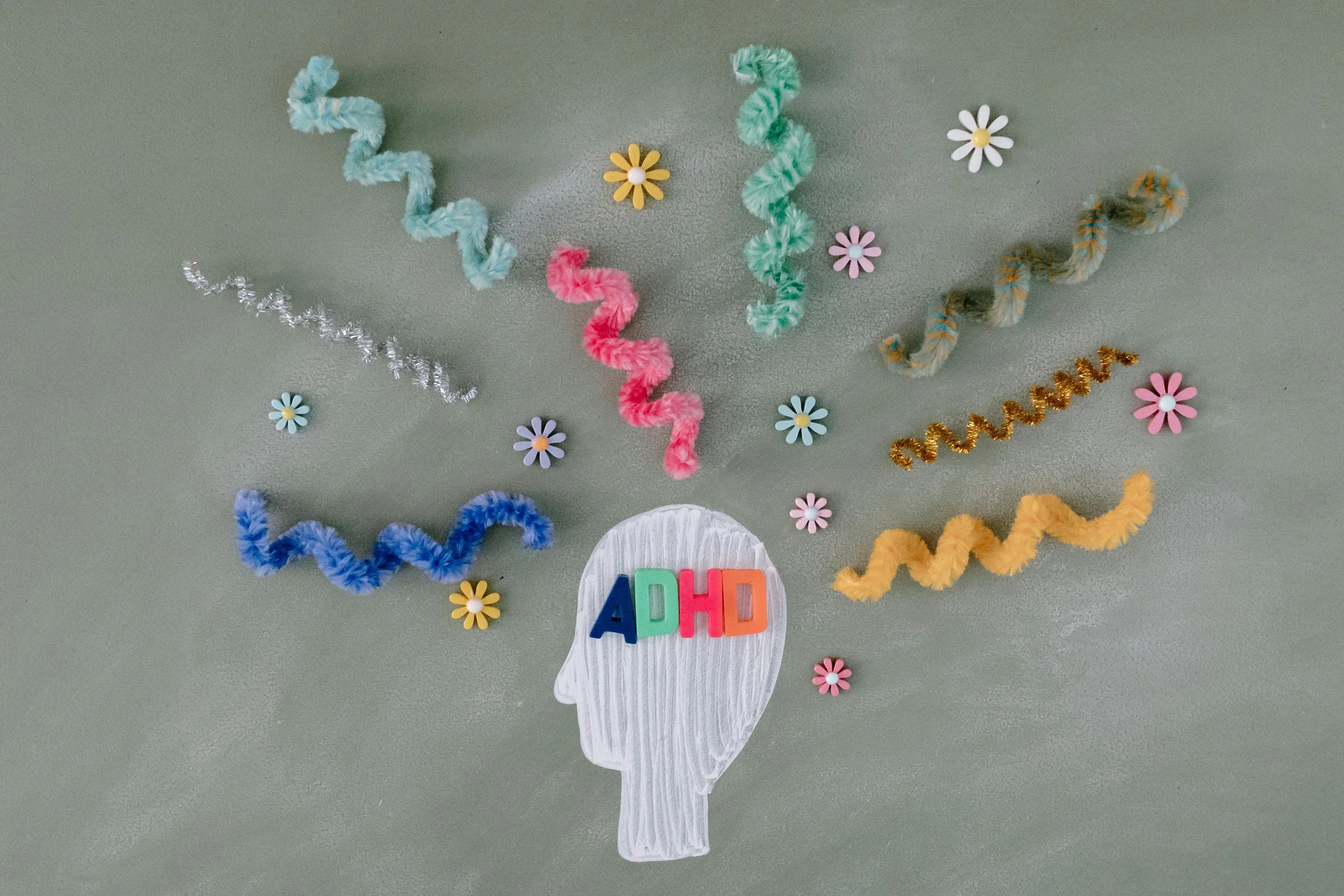
Attention-Deficit/Hyperactivity Disorder (ADHD) and anxiety disorders are two of the most commonly misunderstood mental health conditions. Many people spend years wondering which one they’re experiencing — or if they might have both. The truth is, ADHD and anxiety often overlap, and their symptoms can look incredibly similar on the surface.
Understanding the difference is the first step toward getting the right care, feeling better, and functioning at your best.
Why ADHD and Anxiety Get Confused
ADHD and anxiety share several symptoms, including:
Restlessness
Difficulty concentrating
Trouble completing tasks
Feeling overwhelmed
Forgetfulness
Because these signs appear in both conditions, it can be easy to assume one when the other is present.
But underneath the surface, the causes of these symptoms are usually very different.
What ADHD Really Feels Like
People with ADHD often describe their minds as running in multiple directions at once. Some common experiences include:
Inconsistent focus — you may hyperfocus on things you enjoy but struggle to concentrate on routine tasks.
Impulsivity — acting quickly without thinking things through.
Time blindness — losing track of time or underestimating how long tasks will take.
Executive-function struggles — difficulty organizing, planning, prioritizing, and starting tasks.
ADHD is a neurodevelopmental condition, meaning the brain works differently in areas that affect attention and self-regulation.
What Anxiety Really Feels Like
Anxiety is rooted in fear, worry, and a sense of threat, even when there’s no immediate danger. It often shows up as:
Excessive worrying about what could go wrong
Overthinking conversations, decisions, and to-do lists
Physical symptoms like a racing heart, tight chest, or trouble sleeping
Avoidance of situations that feel stressful
Perfectionism — needing things to be “just right” to feel safe
Anxiety is emotion-driven, not attention-driven. The mind is not distractible because it is curious — it’s distractible because it’s trying to prevent something bad from happening.
So What’s the Difference?
1. The “Why” Behind the Symptoms
ADHD: Difficulty focusing because the brain has trouble regulating attention.
Anxiety: Difficulty focusing because the mind is busy worrying.
2. How Thoughts Feel
ADHD: Thoughts jump quickly; ideas pull you in multiple directions.
Anxiety: Thoughts circle around the same worries over and over.
3. Emotional Tone
ADHD: Frustration, overwhelm, boredom.
Anxiety: Fear, dread, uneasiness.
4. Task Avoidance
ADHD: “This is boring or too hard to start.”
Anxiety: “What if I fail or something goes wrong?”
Can You Have Both?
Absolutely — and many people do.
Untreated ADHD can cause anxiety because everyday tasks become overwhelming.
Untreated anxiety can look like ADHD because worry disrupts focus and memory.
This overlap is why a proper evaluation matters. At Mood Wellness Psychiatry & Wellness Clinic, we look at the full picture — your patterns, history, triggers, strengths, and daily functioning.
When to Seek Help
Reach out to a provider if you notice:
You’re constantly overwhelmed or mentally exhausted
Anxiety or inattentiveness interferes with work, school, or relationships
You’re unsure which condition you might have
You’ve tried coping strategies but still struggle
Getting clarity is empowering — and treatment for both ADHD and anxiety is highly effective.
Final Thoughts
ADHD and anxiety may look alike, but they’re distinct in how they affect the brain and day-to-day life. With the right diagnosis and treatment, people can experience significant relief, better functioning, and renewed confidence.
If you’re wondering whether you might have ADHD, anxiety, or both, Mood Wellness Psychiatry is here to help. You deserve answers — and you deserve to feel your best.
Contact Us
Mood Wellness Psychiatry Mental Health Clinic
🌐 www.moodwellness.us
📧 support@moodwellness.us
📞 860-518-4629